How Material Selection Shapes the Experience of a Space
Materials are one of the most powerful tools in interior design. Long before a space is fully furnished or styled, the materials chosen for floors, walls, surfaces, and fixtures begin to define how that space feels and functions. While color and layout often receive the most attention, material selection quietly influences comfort, durability, acoustics, and long term satisfaction.
Materials Create First Impressions
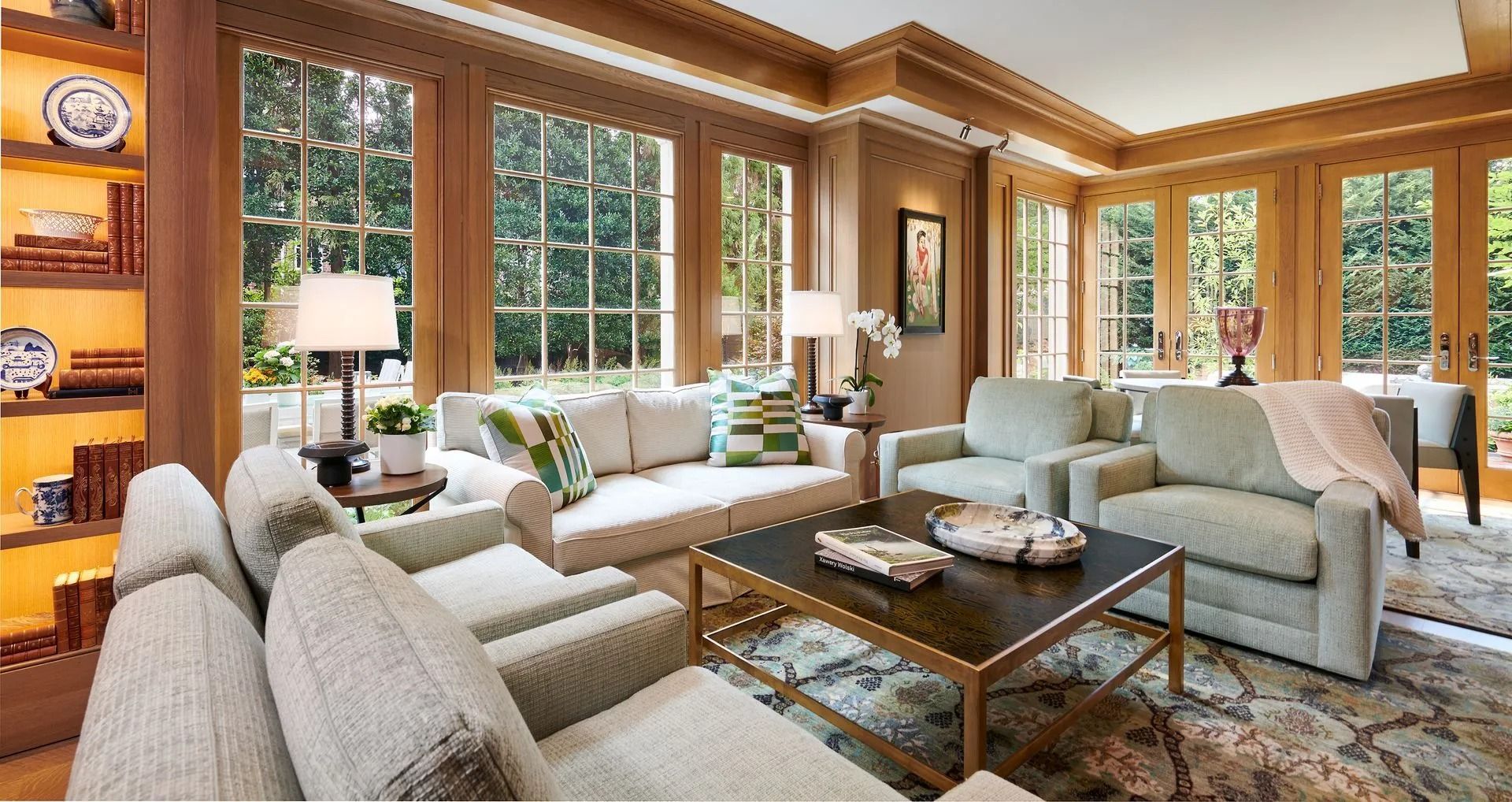
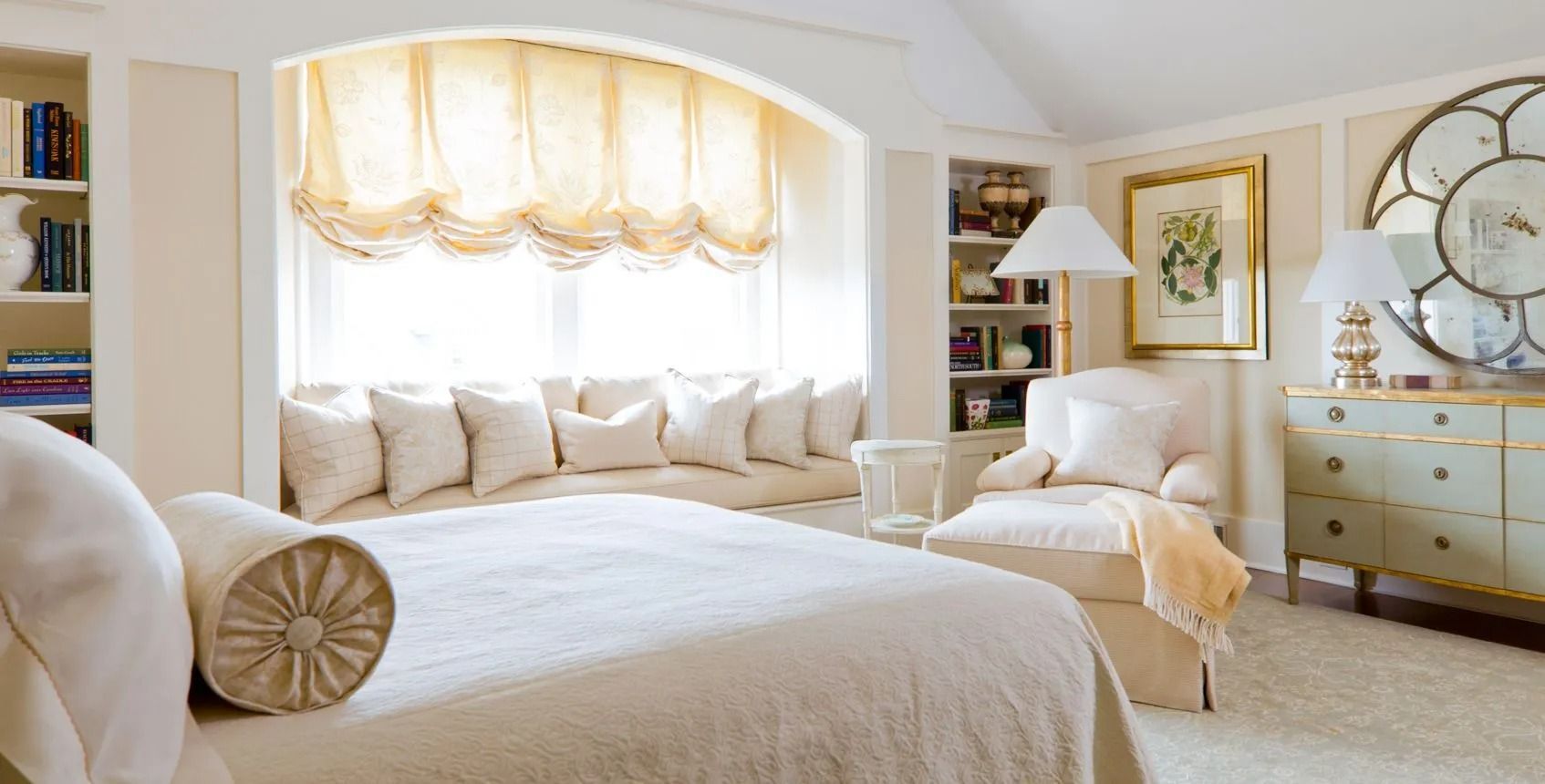
When someone enters a space, they begin forming impressions immediately. Hard, reflective surfaces can feel crisp and modern, while softer or textured materials often create warmth and approachability. Natural materials may convey calm and authenticity, while highly polished finishes can signal formality or precision.
These impressions are not accidental. They are the result of intentional choices that align materials with the purpose of the space and the experience it is meant to support.
Texture and Touch Matter
Interior design is not purely visual. People interact with spaces through touch as much as sight. The feel of a countertop, the warmth of flooring underfoot, or the softness of upholstered surfaces all contribute to how comfortable a space feels.
Materials that are pleasant to touch can make a space feel welcoming and human. Conversely, materials that are cold, abrasive, or overly delicate may create distance or discomfort. Considering how surfaces will be used daily helps guide more thoughtful material decisions.
Durability Shapes Long Term Experience
A space that looks beautiful on day one should still function well years later. Material durability plays a central role in how a space ages. High traffic areas, work surfaces, and shared environments require materials that can withstand repeated use without showing excessive wear.
Choosing materials suited to their environment helps preserve the integrity of the design over time. This reduces the need for frequent replacements and supports a sense of continuity rather than constant change.
Sound and Acoustics Are Often Overlooked
Material selection also affects how sound moves through a space. Hard surfaces reflect sound, which can lead to echo and noise buildup. Softer materials absorb sound and can help create a calmer atmosphere.
In workspaces, hospitality environments, and shared interiors, acoustics influence comfort and focus. Thoughtful use of textiles, wall finishes, and surface treatments helps manage sound in a way that supports the intended use of the space.
Visual Balance Comes From Material Harmony
Successful interiors often rely on a balance of materials rather than a single dominant finish. Mixing materials thoughtfully creates depth and interest without overwhelming the space.
Contrast between smooth and textured surfaces, matte and reflective finishes, or natural and refined materials adds dimension. The key is restraint. Too many competing materials can fragment a space, while a cohesive palette allows the design to feel intentional and complete.
Supporting Function Through Material Choice
Every material decision should support how the space is used. Kitchens, offices, and public areas all place different demands on surfaces. Selecting materials that align with function helps ensure that design choices enhance daily life rather than complicate it.
This functional alignment often determines whether a space feels intuitive or frustrating. Materials that perform well in their intended roles allow the design to fade into the background, letting users focus on their activities rather than the environment.
Sustainability and Responsibility
Material selection also reflects broader values. Considering sourcing, longevity, and environmental impact can support more responsible design outcomes. Materials that last longer and require fewer replacements contribute to reduced waste and more sustainable interiors.
Thoughtful material choices demonstrate care not only for aesthetics but also for the long term footprint of a space.
Designing With Intention
Materials are not just finishes applied at the end of a project. They are foundational elements that shape how a space is experienced every day. When selected with intention, materials support comfort, function, and longevity in ways that elevate the overall design.
We approach material selection as a critical part of the design process, ensuring that each choice contributes meaningfully to how a space looks, feels, and performs over time.