Creating Visual Hierarchy in Interior Environments
Every interior space communicates information, whether intentionally or not. People instinctively read a room as soon as they enter it, identifying where to go, what matters most, and how they are meant to move through the environment. Visual hierarchy is the design principle that shapes this experience. When applied thoughtfully, it helps spaces feel intuitive, balanced, and purposeful rather than confusing or overwhelming.
What Visual Hierarchy Really Means
Visual hierarchy refers to the order in which elements within a space attract attention. Some features naturally stand out first, while others recede into the background. This order is influenced by scale, contrast, placement, light, and material choice.
A strong hierarchy does not demand attention through excess. Instead, it guides the eye calmly and logically, allowing occupants to understand the space without conscious effort.
Why Hierarchy Matters in Interior Design
Without a clear hierarchy, spaces can feel disorganized even when they are technically well designed. When everything competes for attention, nothing feels resolved. This can lead to visual fatigue and uncertainty about how the space should be used.
Clear hierarchy supports usability. It helps occupants identify primary functions, circulation paths, and focal areas. In professional environments, it also supports efficiency by reducing hesitation and unnecessary movement.
Scale and Proportion as Foundational Tools
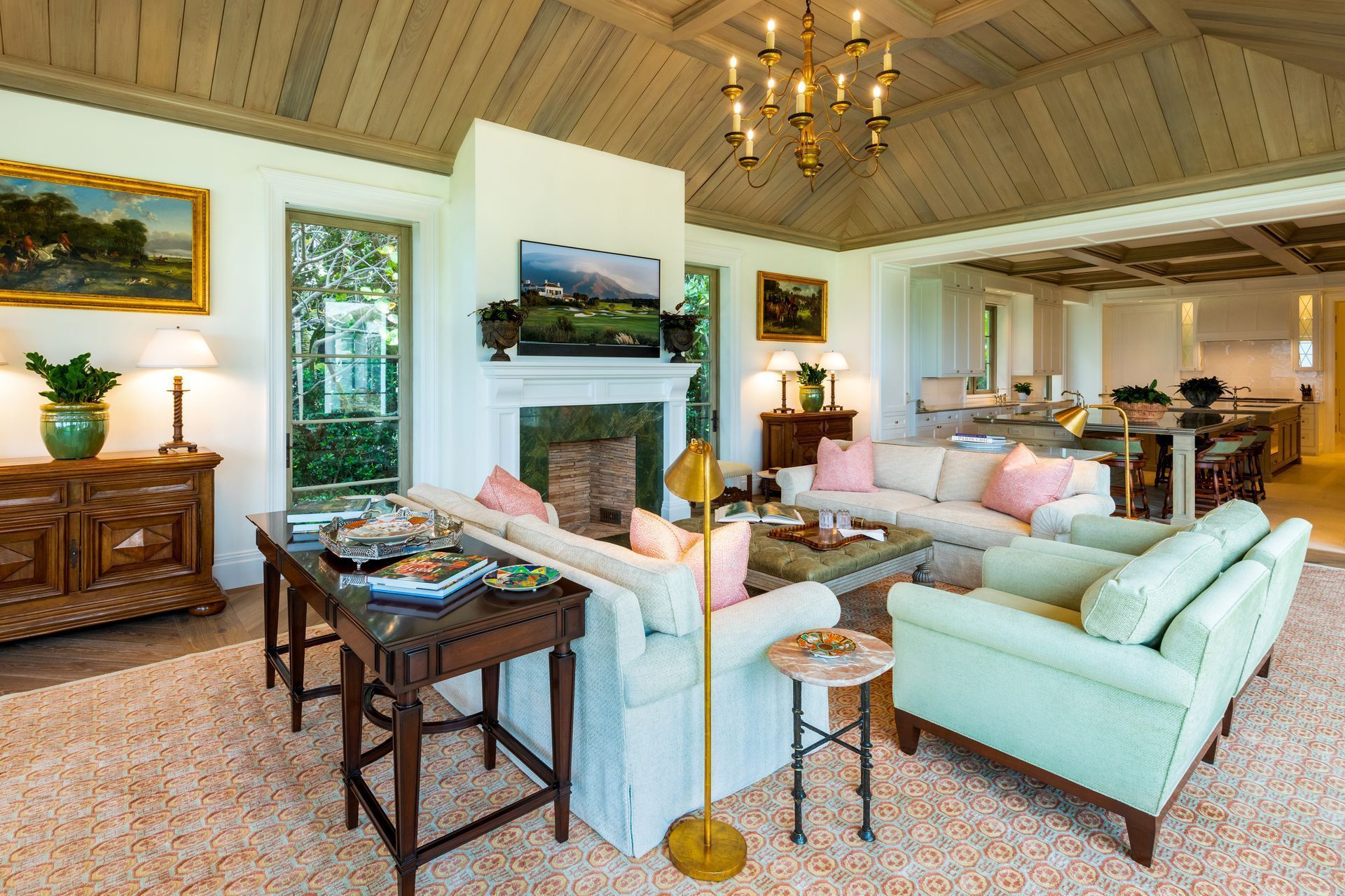
Scale is one of the most effective ways to establish hierarchy. Larger elements naturally draw attention first. This might include a reception desk, a central conference table, or a prominent wall plane.
Proportion reinforces scale by creating contrast between major and minor elements. When proportions are balanced, important features feel intentional rather than oversized. Supporting elements then fall into place without competing visually.
The Role of Light in Guiding Attention
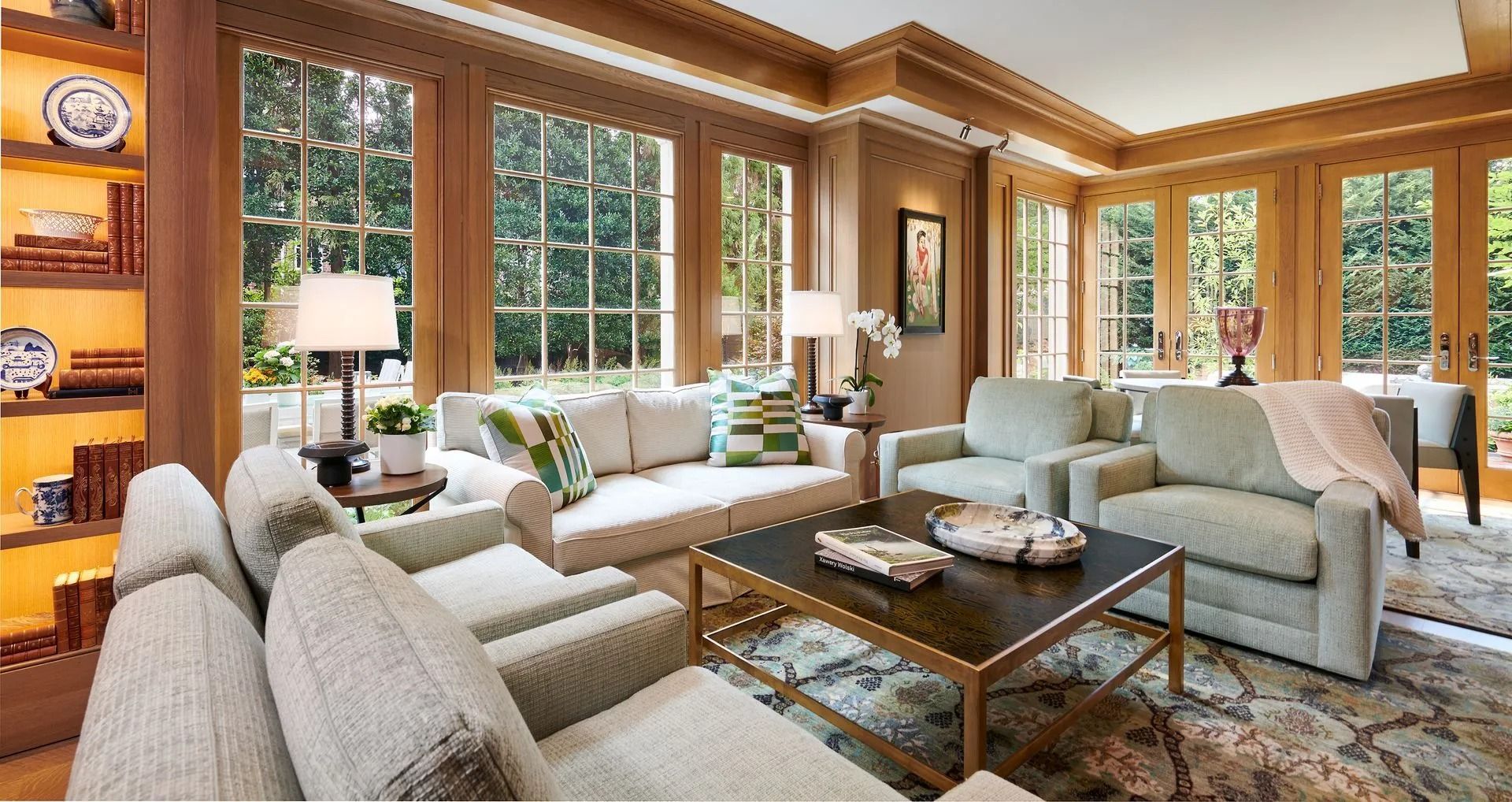
Light plays a powerful role in hierarchy. Brightly lit areas attract the eye, while dimmer zones recede. This can be achieved through natural light, artificial lighting, or a combination of both.
Highlighting key areas such as entrances, gathering points, or circulation nodes helps people understand how the space functions. Consistent lighting in secondary areas supports clarity without distraction.
Material and Color as Hierarchical Signals
Material changes can quietly signal importance. A shift from one surface finish to another often marks a transition in function or priority. Similarly, restrained use of color contrast can draw attention where needed without overwhelming the environment.
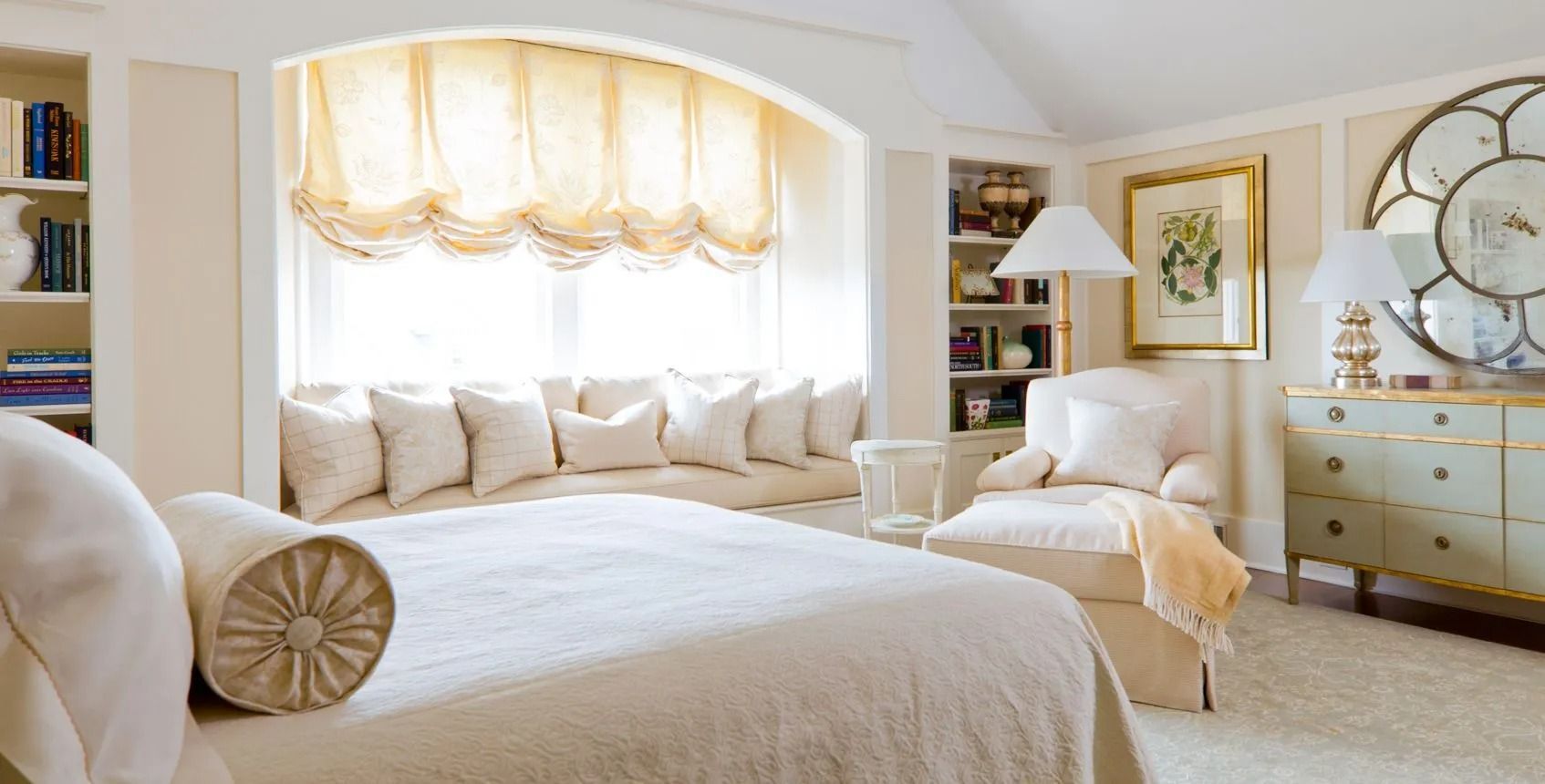
Hierarchy does not require bold color statements. Subtle variation often creates a more refined result, especially in professional interiors where longevity matters.
Circulation and Spatial Flow
Hierarchy is not limited to what people see, it also influences how they move. Clear circulation paths help users understand where to go next. When circulation is visually reinforced through alignment, lighting, or material continuity, movement becomes intuitive.
Spaces that lack clear circulation hierarchy may feel cramped or inefficient, even if square footage is adequate.
Supporting Elements Should Support
Secondary elements such as storage, support spaces, and utilities should be visually quiet. Their role is to function well without competing for attention. When secondary elements are over designed, they disrupt hierarchy and distract from the primary purpose of the space.
Intentional restraint allows the most important features to stand out naturally.
Designing for Clarity Over Time
A well established hierarchy ages better than trend driven design. When hierarchy is based on function and spatial logic rather than decorative emphasis, the space remains legible even as furnishings or uses evolve.
This approach supports long term adaptability and reduces the need for frequent redesign.
A Deliberate Approach to Interior Order
Visual hierarchy is about clarity, not control. It respects how people naturally experience space and supports them through subtle guidance.
We approach interior environments with hierarchy as a foundational principle. By carefully balancing scale, light, material, and flow, we create spaces that communicate clearly and perform effectively without unnecessary complexity.