Why Storage Should Be Considered an Architectural Element
Storage is often treated as a secondary concern in interior design. It is added late in the process, tucked into leftover spaces, or addressed through furniture rather than planning. When storage is handled this way, it tends to feel disconnected from the architecture of a space. In contrast, when storage is treated as an architectural element from the beginning, it becomes integrated, purposeful, and supportive of how a space functions over time.
We view storage not as an accessory, but as a fundamental part of spatial planning.
Storage Shapes How a Space Is Used
The way items are stored directly affects how people move, work, and live within a space. Poorly planned storage often leads to clutter, visual noise, and inefficiency. When belongings do not have a logical place to go, they tend to accumulate in circulation paths or on active surfaces.
Integrated storage helps maintain clarity. It supports daily routines by placing frequently used items within reach and less frequently used items out of the way. When storage aligns with actual use patterns, spaces function more smoothly and feel calmer.
Architectural Storage Supports Spatial Order
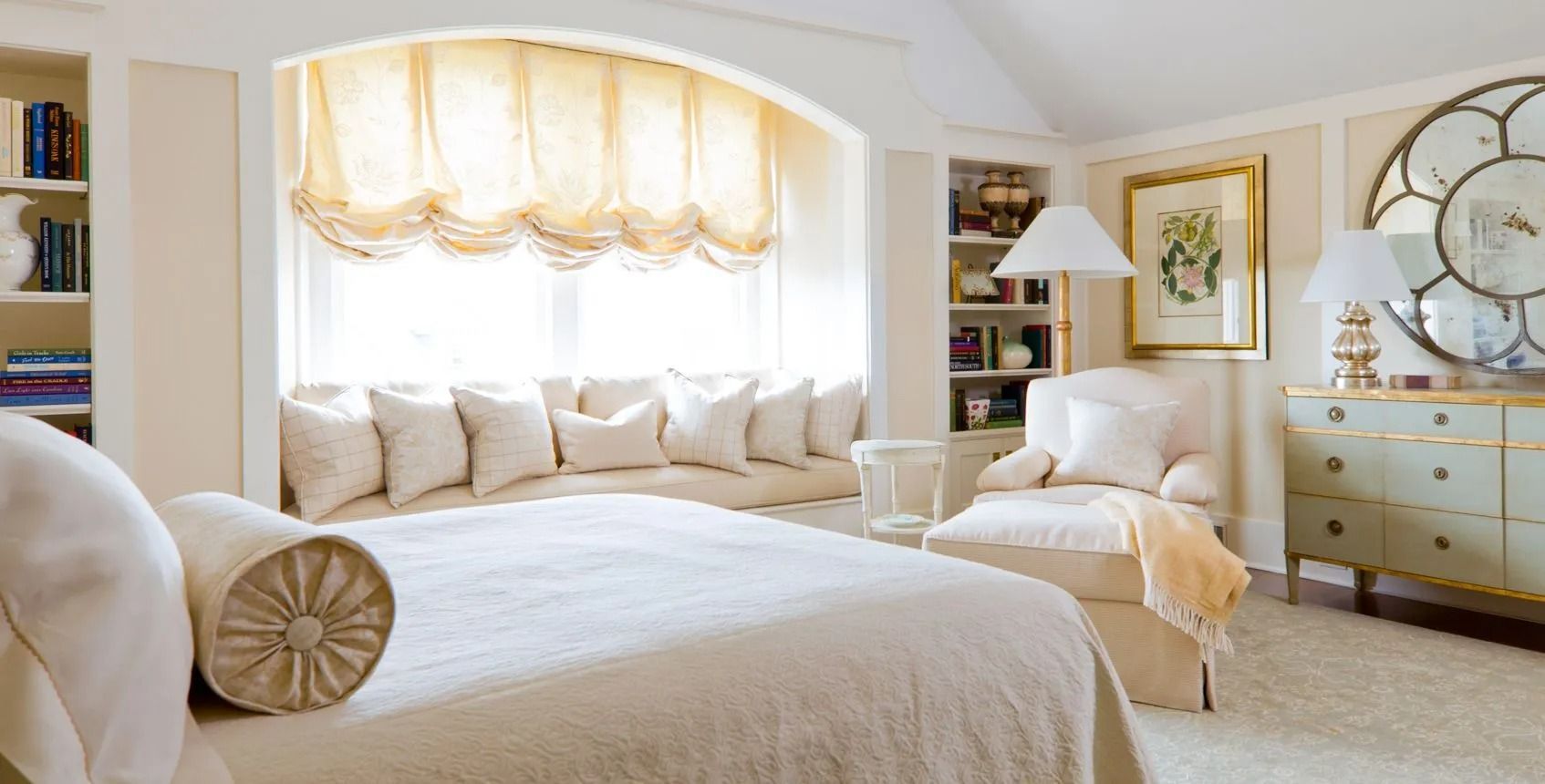
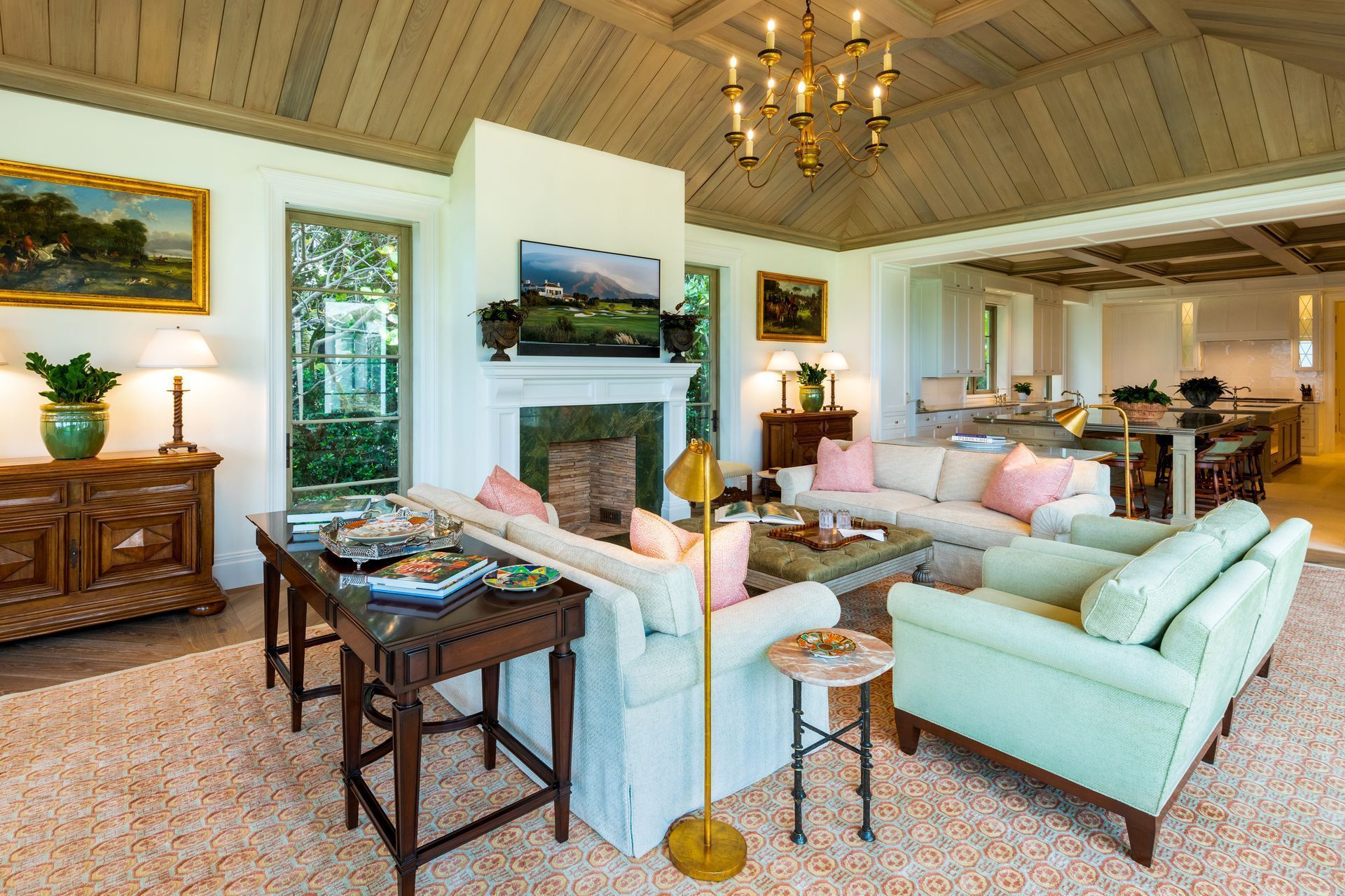
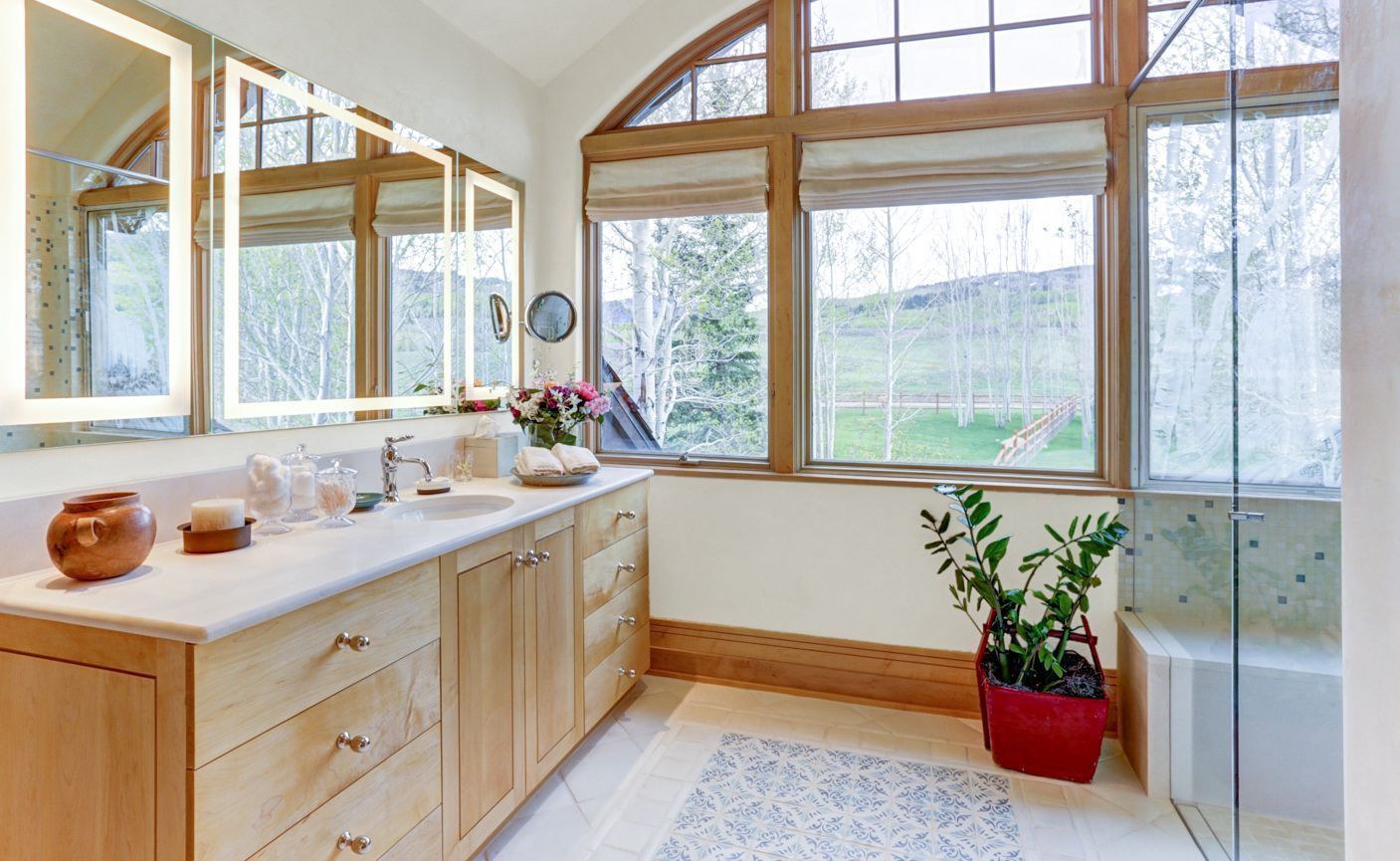
Architectural storage is designed as part of the structure of a space rather than applied afterward. This may include built in cabinetry, wall integrated shelving, recessed storage, or millwork that defines zones within an interior.
When storage is embedded into walls or volumes, it reinforces spatial order. It can establish boundaries, guide circulation, and contribute to proportion and scale. Instead of interrupting a space, it becomes part of the composition.
Reducing Visual Clutter Through Design
One of the most effective ways to create visual simplicity is to provide adequate storage that is thoughtfully concealed or integrated. Clutter is often a symptom of insufficient or poorly located storage rather than personal habits alone.
Architectural storage allows surfaces to remain clear and spaces to feel intentional. This supports focus and ease of use, particularly in environments where clarity matters, such as workspaces, kitchens, or shared living areas.
Storage as a Tool for Flexibility
Well designed storage can also support flexibility. As needs change over time, integrated storage systems can accommodate evolving functions without requiring major reconfiguration.
For example, storage walls can be designed to adapt to different uses, whether housing files, equipment, or personal items. This adaptability extends the useful life of a space and reduces the need for future renovations.
Material and Detail Matter
When storage is treated as architecture, material selection and detailing become especially important. Finishes, proportions, and joinery should align with the broader design language of the space.
Durable materials help ensure that storage elements age well and continue to perform over time. Attention to detail reinforces the idea that storage is not an afterthought, but a deliberate part of the interior.
Storage Influences How Spaces Feel
Beyond function, storage plays a role in how spaces are perceived. Integrated storage can make rooms feel more generous by reducing visual interruption. It can also contribute to rhythm and balance through repetition and alignment.
Thoughtful storage design helps spaces feel composed rather than crowded. This sense of order supports comfort and usability on a daily basis.
Planning Storage From the Start
The most successful storage solutions are developed early in the design process. This allows storage needs to inform layout decisions rather than compete with them.
By considering storage alongside circulation, lighting, and structure, we are able to create interiors that support both present needs and future adaptability.
Designing With Intent
When storage is approached as an architectural element, it becomes more than a place to put things. It becomes part of how a space works, feels, and endures.
Treating storage with the same level of intention as other architectural components allows interiors to function more effectively and remain cohesive over time. It is one of the quiet design decisions that has a lasting impact on how people experience space every day.