Design Choices That Help Small Rooms Feel Open, Refined, and Purposeful
Small rooms can present unique opportunities when approached with thoughtful design. When every inch has a clear purpose, smaller spaces can feel intimate, inviting, and highly functional. The key is making deliberate choices that bring clarity, visual openness, and refinement to the room. By shaping scale, material selections, lighting, and spatial flow with intention, it becomes possible to transform compact rooms into spaces that feel balanced and complete.
Establishing a Clear Purpose for the Space
A small room benefits greatly from a defined purpose. Before selecting furnishings or planning the layout, we evaluate how the space will be used and what activities must be supported. When a room tries to serve too many functions, it often becomes visually cluttered. A strong sense of purpose allows each design decision to support a single, cohesive goal. This clarity enhances both the function and the feel of the space.
Selecting Scaled Furnishings That Support Flow
Furniture scale is critical in smaller rooms. Oversized pieces can quickly overpower a space, while undersized pieces can make a room feel sparse or unfinished. We choose furnishings that are proportional to the room while still offering comfort and presence. Clean lines and tailored silhouettes create a sense of visual lightness. Each piece is positioned to support natural movement through the space, and pathways are kept open to maintain a sense of airiness.
Multi functional pieces can also be beneficial when used thoughtfully. When a single piece provides storage, seating, or display space, the room feels more organized and avoids unnecessary clutter. Careful selection prevents the room from feeling weighed down while still supporting the activities that take place there.
Creating Vertical Emphasis to Expand Visual Height
When floor area is limited, emphasizing vertical elements can help open the room. Tall bookcases, floor to ceiling drapery, or elongated lighting fixtures draw the eye upward and make the ceiling feel taller. This vertical direction adds architectural interest and a sense of elegance. Even subtle choices, such as using artwork in vertical groupings, support the feeling of enhanced height and spaciousness.
Using Color and Material Harmony to Encourage Calm
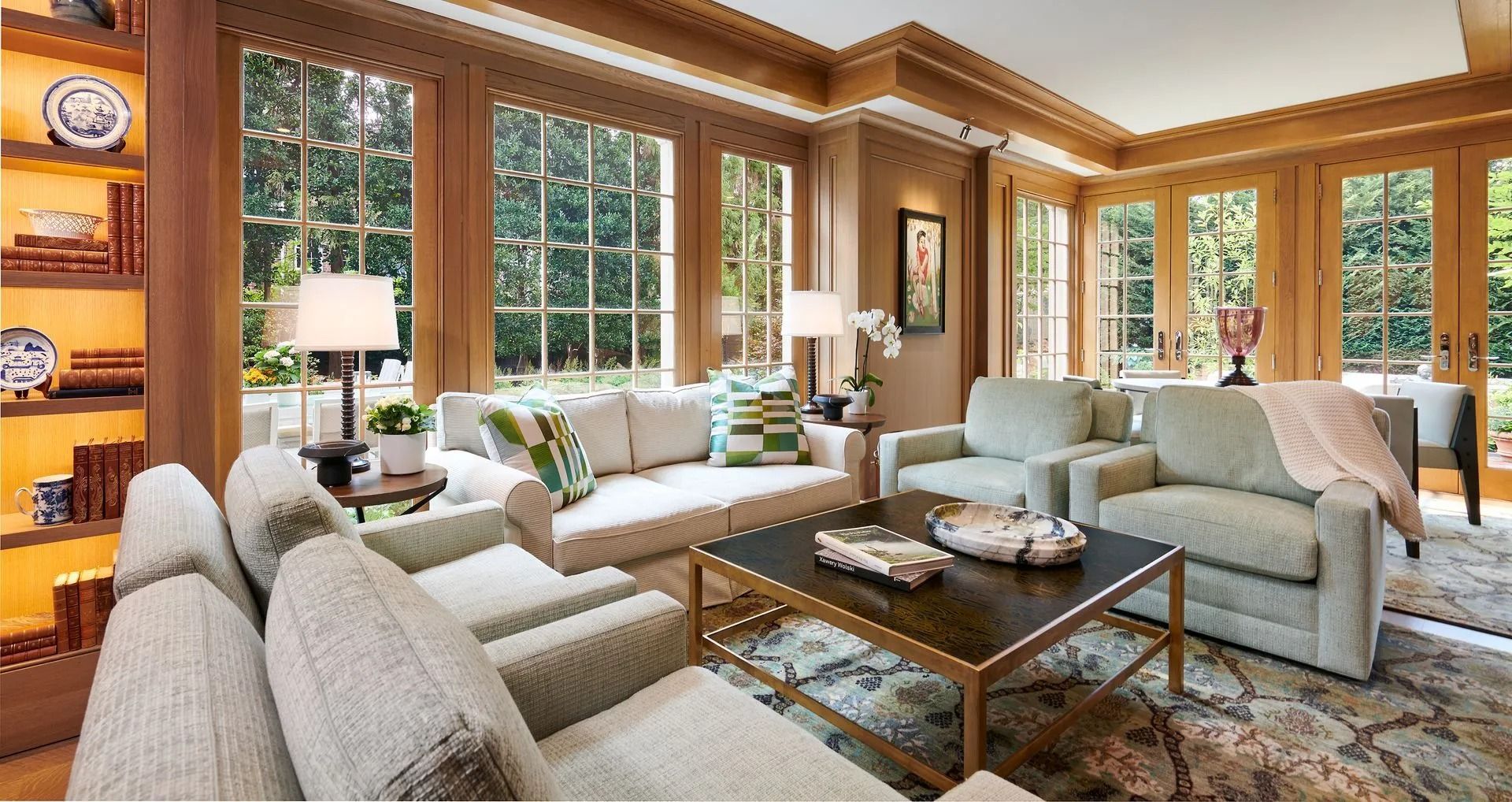
Color plays an important role in shaping a small room. A harmonious palette with gentle transitions helps the space feel unified rather than fragmented. Soft neutrals, muted tones, or a limited color range often create calmness that enhances the sense of openness. Materials also deserve careful consideration. Reflective finishes, soft textures, and fabrics with subtle patterns add depth without overwhelming the visual field. When colors and materials relate well to one another, the space feels cohesive and balanced.
Enhancing Light Through Layered Sources
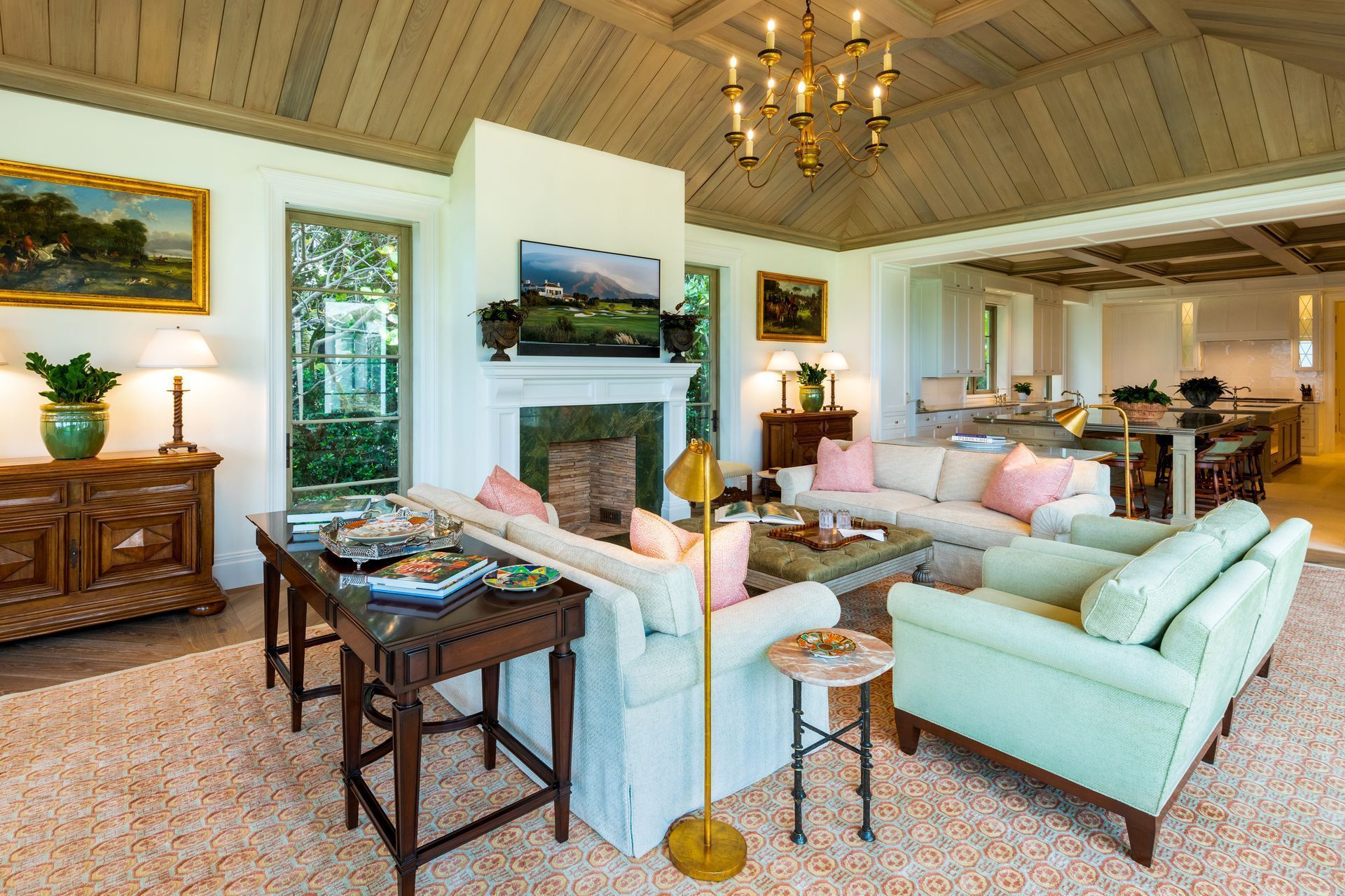
Light influences how a room feels more than nearly any other element. In compact spaces, layered lighting helps create dimension and warmth. A combination of ambient overhead lighting, task lighting, and decorative accent lighting ensures that the room feels bright without being harsh. Table lamps, sconces, and small scale floor lamps all contribute to a comfortable atmosphere and introduce softness.
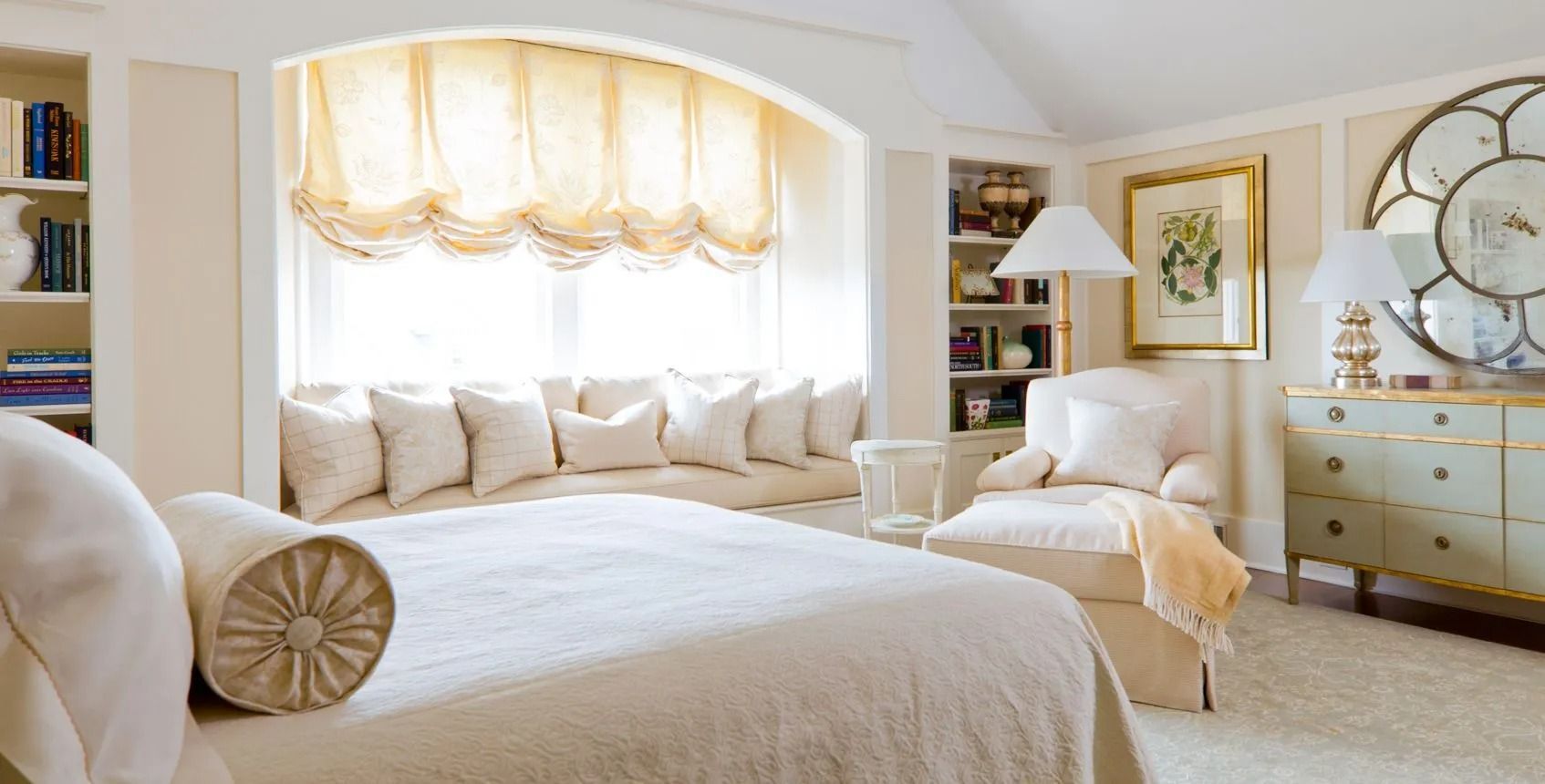
Window treatments are selected to allow natural light to circulate freely. Sheer panels or tailored drapery hung high above the window frame can make the room feel taller and more open. We avoid treatments that block light or shorten the perceived height of the window.
Providing Storage That Maintains Visual Order
In small rooms, organization is essential. Thoughtfully integrated storage helps maintain visual clarity, allowing the room to feel serene and functional. Built in shelving, furniture with concealed storage, and well placed cabinetry prevent clutter from overwhelming the space. When storage solutions are visually refined and harmonize with the room’s palette, they support both practicality and aesthetic quality.
Shaping a Small Room With Confidence and Intention
A small room can become a polished and inviting space when each design decision is made with purpose. By selecting proportional furnishings, emphasizing vertical lines, coordinating materials, and enhancing lighting, the room gains clarity and openness. When storage is well integrated and the layout supports natural flow, the space feels complete and thoughtfully composed. With intention and attention to detail, even the most compact rooms can become refined environments that support daily living with comfort and grace.