Creating Long Lasting Interiors Through Classic Design Principles

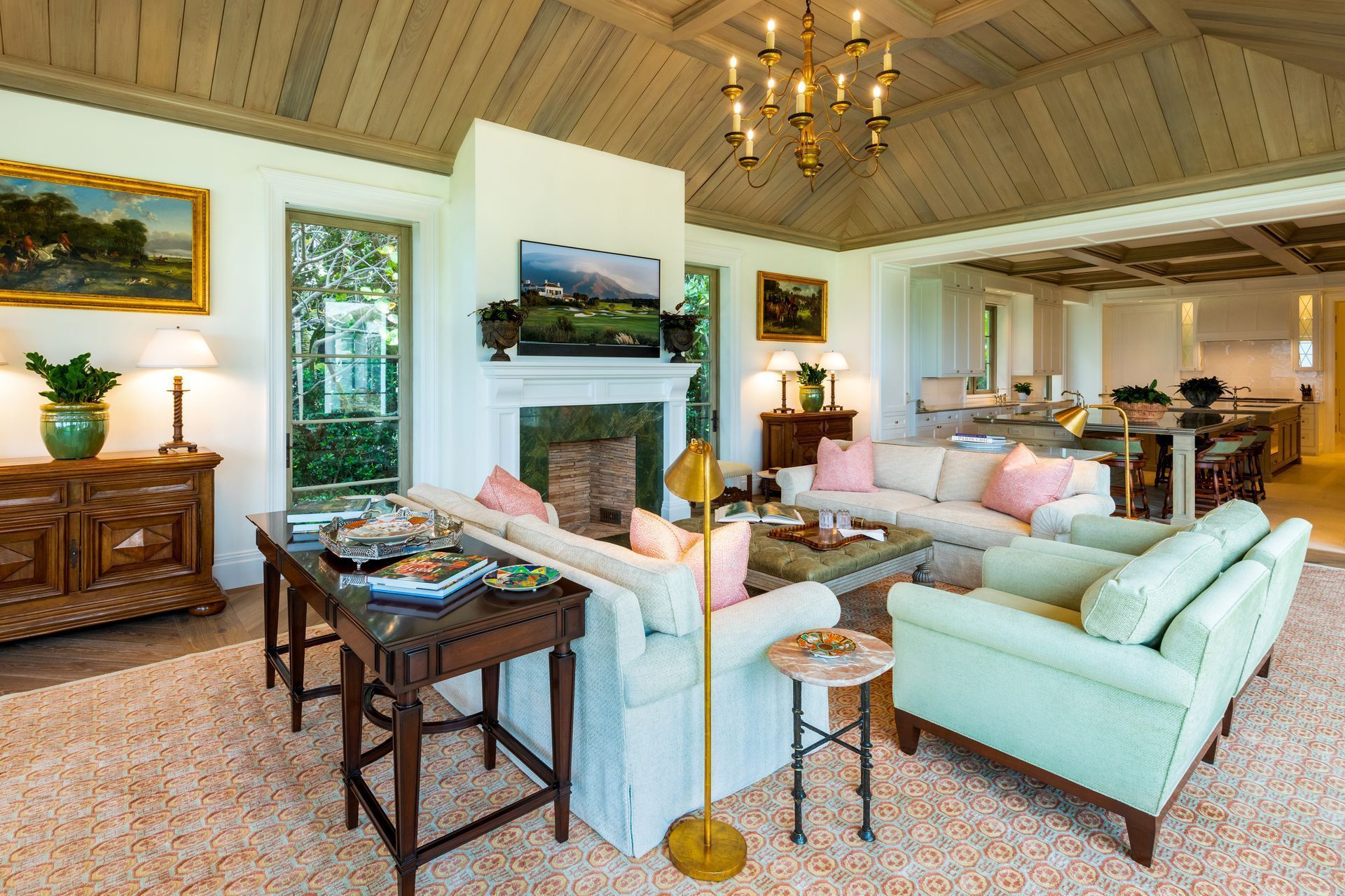
Design trends shift from year to year, but a thoughtfully planned interior can maintain its beauty for decades. Our approach centers on creating spaces that remain meaningful, functional, and visually balanced long after trends have changed. Classic design principles guide every step of our process, because they allow us to craft interiors that feel enduring rather than temporary. When these principles are applied with care, they allow a home to age gracefully and continue to reflect the character of the people who live in it.


The Value of Timeless Scale and Proportion

The foundation of lasting design begins with proportion. When furniture is scaled correctly to a room, the space feels harmonious and inviting. Oversized pieces can overwhelm an interior, while pieces that are too small leave the room feeling incomplete. We evaluate ceiling height, architectural lines, and natural circulation patterns before selecting furnishings. This ensures that each item contributes to a cohesive visual balance.


Proportion also guides the placement of artwork, lighting, and architectural elements. When these components are thoughtfully arranged, they create a sense of permanence that is not affected by shifts in design trends.


Thoughtful Color Palettes That Endure

Colors influence how a room feels, and certain palettes retain their elegance over time. We build our designs around tones that provide depth, softness, and long term flexibility. Classic neutrals, muted earth shades, soft blues, and rich natural hues allow homeowners to incorporate seasonal accents without losing cohesion.


A restrained palette also creates a calming foundation that supports artwork and textiles. By avoiding highly saturated or overly trendy colors, we help our clients achieve interiors that remain sophisticated for years while still leaving room for subtle evolution.


Quality Craftsmanship and Investment Pieces

Long lasting interiors depend on quality materials. We prioritize furnishings, textiles, and finishes that offer durability and timeless character. Solid wood furniture, natural stone, hand woven rugs, and well constructed upholstery age more gracefully than mass produced pieces. When homeowners invest in craftsmanship, the home develops an authentic sense of character.


Investment pieces are not simply expensive items. They are pieces that hold visual integrity over time and serve the space with purpose. By selecting these pieces carefully, we create interiors where the most important elements remain stable even as accessories or smaller items are refreshed.


Harmony Through Balance and Symmetry

Balance is a key element of classic design. Whether a room calls for formal symmetry or a more relaxed sense of equilibrium, the placement of furnishings greatly influences how the space feels. Symmetrical arrangements create a sense of structure and refinement, while balanced asymmetry offers movement without disorder.


We use balance to connect architectural features with furniture placement. When visual weight is distributed thoughtfully, the interior feels grounded. This approach supports long term livability, because a balanced room is pleasant to inhabit regardless of changing styles.


Incorporating Texture for Depth and Warmth

Texture is another component that contributes to lasting design. Natural fibers, organic surfaces, soft textiles, and subtly patterned materials add depth without overwhelming the space. When a room incorporates a range of textures, it maintains interest even when colors remain neutral.


We blend smooth and tactile surfaces to create layered interiors that feel complete without relying on trends. This approach encourages comfort and longevity, since well chosen textures do not become visually tiring over time.


Creating Spaces That Evolve Gracefully

A truly lasting interior is one that can grow along with the homeowner. When a design relies on classic principles, it becomes much easier to incorporate new artwork, updated lighting, or seasonal accents without disrupting the sense of cohesion. A strong foundational design creates a stable framework for thoughtful evolution.


Design That Stands the Test of Time

Creating long lasting interiors is an art grounded in proportion, craftsmanship, balance, and thoughtful material choices. By focusing on these principles, we design spaces that maintain their beauty and functionality across decades. Our goal is to create environments that continue to feel welcoming, refined, and expressive of the people who live in them. When interiors are guided by classic design values, they gain a timeless quality that endures well beyond the trends of the moment.
November 25, 2025
Timeless interiors are not defined by a single trend or era. They are environments that retain their relevance, beauty, and comfort for decades. Timeless design comes from thoughtful composition rather than decoration. It relies on harmony, craftsmanship, and an understanding of proportion that transcends passing fashions. Creating a Foundation of Balance and Proportion Every enduring interior begins with balance. When the layout of a space feels harmonious, the design remains appealing even as personal tastes evolve. Proportion between architecture, furniture, and materials determines how a room feels and functions. A timeless interior is not crowded or bare; it is composed to promote comfort, flow, and visual equilibrium. We begin each project by studying how light, structure, and circulation define the space. Rather than imposing a style, we design around the architecture, selecting elements that feel native to the home. Whether the setting is classical or contemporary, proportion remains our foundation. Selecting Materials That Endure Durability is a hallmark of timeless design. Materials that age gracefully , such as natural stone, solid wood, wool, and linen, acquire beauty over time. They soften, warm, and develop character through use. These materials also bring texture and depth that synthetic alternatives cannot replicate. We work closely with artisans and trusted suppliers to select finishes that complement the architecture while standing the test of time. Natural tones and matte textures often provide the best foundation for a lasting interior, allowing art, furnishings, and accessories to evolve without disrupting the overall harmony. Choosing a Balanced Color Palette Color trends shift constantly, but balanced palettes remain relevant. We rely on neutrals, soft whites, grays, and muted earth tones as a canvas. These shades allow flexibility and longevity, while accents in art or textiles can evolve as preferences change. Rather than following seasonal color forecasts, we look to the environment and architecture for inspiration. A coastal home might draw from sand and sea, while an urban residence may reflect stone, metal, and glass. When color emerges naturally from the setting, it remains timeless. Prioritizing Craftsmanship and Authenticity True craftsmanship never goes out of style. Well-made furniture, hand-applied finishes, and tailored upholstery hold their beauty far longer than mass-produced alternatives. A timeless interior is one that values quality over quantity, focusing on fewer but finer elements. We often commission custom furnishings that complement a home’s scale and architectural character. These pieces, made by skilled craftspeople, become heirlooms rather than trends. Authentic materials and meticulous detailing give each project a sense of permanence. Designing for Comfort and Function Functionality is essential to longevity. A beautiful room that is uncomfortable will never be used, while a well-planned space enhances everyday living. Timeless interiors blend form and purpose seamlessly, creating rooms that work as beautifully as they look. We consider how clients live in their homes, tailoring storage, lighting, and circulation to support daily life. Comfort becomes part of the aesthetic, expressed through inviting textures, balanced lighting, and intuitive flow. Allowing Design to Evolve Gracefully A timeless home is not static. It allows for growth, collecting, and subtle change. When the underlying design is strong, new pieces, art, or furnishings can be introduced without disrupting the harmony of the space. We encourage our clients to think of their interiors as evolving compositions. A well-designed foundation accommodates life’s changes while preserving a sense of continuity. That is the essence of timeless design. Final Thoughts Timeless interiors succeed because they are built on enduring principles: balance, quality, authenticity, and comfort. They feel effortless because every element has purpose and meaning. At Hughes Design Associates, we design with longevity in mind, creating homes that reflect both the present and the enduring beauty of thoughtful design.
November 21, 2025
In luxury interior design, every detail matters. The architecture, lighting, materials, and textures must all work together to create a cohesive and inviting environment. Yet one element often defines the difference between a beautiful room and a truly exceptional one: custom furnishings. At Hughes Design Associates, we believe that bespoke pieces bring character, harmony, and individuality to a space in ways that mass-produced items cannot. Why Custom Furnishings Matter Custom furnishings allow a room to express the unique personality of its owner while perfectly fitting the dimensions and style of the space. A sofa, table, or console designed specifically for a room becomes more than a piece of furniture; it becomes part of the architecture. When furnishings are tailored to fit both proportion and purpose, they enhance the overall balance of the design. The lines of a chair can mirror the angles of a window, or the finish of a table can echo the tones of the surrounding materials. These thoughtful details create unity throughout the interior, reinforcing the story of the home . Achieving Perfect Proportion and Scale One of the most common challenges in interior design is achieving the right scale. A piece that is too large can overwhelm a room, while one that is too small may look insignificant. Custom furnishings solve this problem by allowing every element to be designed with precision. We often begin by studying the architecture of the room. High ceilings, natural light, and floor plan flow all inform the dimensions of each custom piece. Whether designing an expansive sectional for a great room or a graceful console for a narrow hallway, proportion and balance remain central to our process. Materials and Craftsmanship The materials used in custom furnishings are as important as the design itself. Fine wood, stone, leather, and metal each bring distinct qualities to a space. By working with skilled artisans and trusted workshops, we ensure that every piece reflects both aesthetic excellence and enduring quality. Attention to craftsmanship is vital. Hand-applied finishes, precision joinery, and bespoke upholstery techniques elevate custom furnishings far beyond factory-made alternatives. These details create pieces that not only complement the design but also stand as works of art in their own right. Designing with Purpose and Personality Every home tells a story, and custom furnishings help tell it with authenticity. For some clients, that story may reflect modern simplicity; for others, it may evoke classic refinement or coastal serenity. Through collaboration, we interpret each client’s vision and lifestyle, designing pieces that feel both personal and timeless. For example, a custom dining table might be crafted from reclaimed wood to honor a client’s love of sustainability, or a tailored sofa might incorporate subtle curves to echo the architecture of a waterfront home. These decisions ensure that the furnishings resonate with meaning rather than simply filling space. Creating Continuity Throughout the Home Custom design also allows us to maintain visual continuity across multiple rooms. A consistent palette of materials, finishes, and detailing creates a seamless flow from one space to the next. A pattern introduced on a headboard may reappear subtly in a living room rug, or a metal accent used in a chandelier may reemerge in the hardware of a cabinet. This level of cohesion is difficult to achieve with off-the-shelf furnishings. Through custom work, we ensure that every room contributes to the overall harmony of the home. A Lasting Investment Beyond aesthetics, custom furnishings are an investment in longevity. They are built to endure, both structurally and stylistically. Well-crafted pieces age gracefully, maintaining their beauty and integrity through years of daily use. For clients who value enduring design, this makes custom furnishings not only a visual statement but also a practical choice. Final Thoughts At Hughes Design Associates, we view custom furnishings as the cornerstone of luxury design. They reflect individuality, elevate craftsmanship, and create interiors that feel complete and deeply personal. By collaborating with artisans and tailoring each piece to the architecture and spirit of the home, we transform spaces into environments that are both timeless and uniquely yours.
November 10, 2025
Natural light is one of the most powerful design elements in any space. It shapes the mood, highlights architectural features, and influences how colors and textures are perceived throughout the day. It is apropos to consider natural light to be a fundamental part of every design concept. It not only enhances beauty but also supports well-being and creates a sense of harmony within the home. Understanding the Character of Light Every space has its own light personality. The direction a room faces, the size of its windows, and even the surrounding landscape all affect how light enters and behaves. Morning light is cool and crisp, while afternoon light tends to be warmer and softer. Understanding these variations allows us to select finishes, fabrics, and materials that respond beautifully to changing light conditions. When we begin a project, we study the orientation of each room and how sunlight moves throughout the space. This helps us determine where to emphasize brightness and where to create balance with shadows and texture. Maximizing Light Through Color and Material Color is one of the most effective tools for amplifying or softening natural light . Pale, neutral walls reflect sunlight and make rooms feel larger and airier, while deeper tones can create intimacy and depth. Finishes also play a role. A satin or eggshell finish subtly bounces light without glare, while matte surfaces absorb it for a more grounded effect. We often pair reflective materials such as polished stone, glass, or metallic accents with soft textiles to achieve visual equilibrium. The goal is never to overwhelm with brightness but to achieve an inviting luminosity that feels natural and consistent. Using Architecture to Frame Light Architecture provides the framework for how light enters a home. Large windows, skylights, and glass doors invite light inward, but design balance is essential. We collaborate closely with architects to ensure window placement supports both aesthetic goals and functional needs. For example, in coastal properties, we often position gathering areas to face the water, allowing natural light to flood in while framing the view. In urban residences, where privacy is a concern, we use transoms or clerestory windows to draw light into interior rooms without compromising seclusion. Thoughtful architectural integration ensures that natural light enhances the flow and proportion of every space. Layering Light for Balance Even the brightest homes require balanced lighting for evening and low-light conditions. We layer artificial lighting carefully to complement natural illumination. Ceiling fixtures provide general lighting, while sconces, lamps, and under-cabinet lighting add depth and dimension. By layering different light sources, we maintain the warmth and ambiance of natural daylight after sunset. This approach also ensures that art, textures, and architectural features remain visible and inviting at any time of day. Enhancing Wellness Through Light Natural light contributes not only to beauty but also to health. Studies show that exposure to sunlight improves mood, supports circadian rhythm, and increases energy. We design interiors that maximize these benefits through open layouts, reflective surfaces, and thoughtful shading.  For clients who spend significant time indoors, access to natural light becomes a form of wellness design . We use sheer draperies, glass partitions, and open-plan configurations to allow light to circulate freely. When filtered properly, sunlight transforms a room into a rejuvenating environment that promotes comfort and vitality. Creating Timeless Interiors Through Light Spaces designed with natural light in mind feel timeless because they evolve gracefully throughout the day. Morning brightness may highlight crisp details, while evening shadows add warmth and serenity. By embracing these natural transitions, we create interiors that remain dynamic and engaging. Our goal is to design homes that do not simply rely on light but live in harmony with it. When natural illumination interacts with thoughtful design, the result is a space that feels balanced, vibrant, and enduring.
November 5, 2025
In every beautiful interior, there is an unseen dialogue between concept and creation . Craftsmanship is what transforms design from idea to experience. In contemporary design, where clean lines and minimal ornamentation often prevail, craftsmanship provides the warmth and human touch that make spaces truly come alive. We view craftsmanship not as nostalgia, but as continuity. It connects us to the long tradition of makers who shaped their materials with care and imagination. Whether it is a hand-carved detail on a door, a custom metal inlay, or a piece of bespoke furniture, these gestures remind us that design is as much about the hand as it is about the mind. The Role of the Artisan Modern design does not exclude artisanship; it depends on it. Each project begins with collaboration, where we work closely with skilled craftspeople who understand material at its essence. A cabinetmaker knows how wood responds to touch and time. A textile weaver understands how fibers catch light and shadow. These relationships transform our designs into living, tactile works of art . When a home features a stone floor with subtle variation, a plaster wall with the faint trace of a trowel, or hand-finished hardware that bears the marks of its maker, those elements tell a story. They reveal process and individuality. Perfection in contemporary design is not found in uniformity, but in authenticity . Material Integrity In an age of mass production, true craftsmanship relies on respect for materials . We favor natural and enduring substances such as walnut, marble, bronze, and linen. Each carries inherent qualities of texture, tone, and strength that deepen with age. When treated properly, these materials acquire a patina that enhances their character rather than diminishing it. Material integrity also fosters sustainability. When something is made well, it endures. A custom dining table crafted from solid wood or a metalwork fixture produced by hand will outlast synthetic imitations. This longevity reflects both environmental responsibility and a belief in timeless design. Precision and Restraint Craftsmanship in contemporary interiors often expresses itself through restraint. The simplest joinery, executed with precision, can be more beautiful than elaborate decoration. Subtle details, such as a mitered edge or seamless transition between materials, show mastery without excess. We believe that craftsmanship should invite discovery. When a client runs their hand across a perfectly smooth stone surface or feels the subtle weight of a bronze handle, they engage directly with quality. These experiences create intimacy between people and the spaces they inhabit. The Harmony of Technology and Handwork Modern tools and traditional craftsmanship can coexist beautifully. Digital modeling allows us to refine proportions and explore complex forms, while hand finishing ensures that each piece retains soul and individuality. The goal is not to replace the artisan, but to give them new opportunities for precision and expression. Through this balance, contemporary interiors gain both clarity and warmth. Clean lines remain essential, but they are softened by the evidence of touch and care. Craftsmanship bridges the gap between modern efficiency and human artistry. A Living Tradition Craftsmanship endures because it speaks to something universal: the desire for connection, authenticity, and beauty that lasts. Every handmade element carries with it the devotion of its maker and the intention of design. When these qualities come together, a space transcends the visual and becomes emotional.  Our work continues this dialogue between the past and the present, between technology and tradition. Through collaboration with artisans, attention to material, and respect for process, we ensure that every detail contributes to a greater whole. Craftsmanship is not a relic of history; it is the heartbeat of modern design.
October 29, 2025
In a world that often celebrates noise, movement, and constant stimulation, the idea of a quiet space carries its own kind of power. A quiet room does not need to be silent; it needs only to invite calm. Within such spaces, we find clarity of thought and ease of spirit. Designing for quiet is not about removing energy from a room, but about creating balance, intention, and emotional stillness. We approach quiet spaces as sanctuaries, places where every detail contributes to serenity. The arrangement of furniture, the texture of materials, and the way light falls through a room all affect how we breathe and think within it. Silence in design is not the absence of elements, but the restraint to choose only what truly belongs. When restraint guides design, the result feels effortless, as though the space has always existed in harmony with itself. The Foundation of Stillness A quiet space begins with proportion and rhythm. When architecture and furnishings are balanced, the eye moves easily, without interruption or distraction . Clean lines, harmonious scale, and thoughtful spacing allow the mind to settle. Too many competing details can feel like noise, while well-measured restraint creates visual and emotional peace. We often choose a soft, neutral palette as a foundation. Subtle gradations of tone and gentle shifts in texture convey sophistication without shouting for attention. Materials such as limestone, linen, and honed wood add tactile warmth and quiet luxury. Each choice encourages calm and continuity, connecting the inhabitant to the space in an intuitive way . Furniture placement is equally important. Pieces are arranged to encourage easy conversation or peaceful solitude, depending on the purpose of the room. Pathways remain open, and every item has both a function and a reason for being there. This intentional simplicity invites comfort rather than austerity, creating a sense of openness that supports rest and reflection. The Role of Light Light defines mood more deeply than any other design element. In a quiet space, light should move slowly, revealing form rather than commanding it. Natural light filtered through sheer drapery creates a living softness that shifts throughout the day. It transforms as the hours pass, offering a quiet reminder of time’s rhythm. Artificial light, when layered thoughtfully, maintains that same balance between clarity and calm. Soft pools of illumination from sconces, concealed fixtures, or table lamps offer intimacy. Rather than flooding a room with brightness, we prefer to shape light with purpose, allowing it to highlight texture, silhouette, and craftsmanship. When light and shadow exist in harmony, the room feels complete, grounded, and emotionally connected to the cycle of the day. Texture and Atmosphere The quietest spaces often speak through texture. A handwoven rug beneath bare feet, the matte surface of plaster, or the gentle sheen of silk each add dimension without noise. We layer these materials deliberately, ensuring that they complement rather than compete . Texture invites touch and awakens the senses while maintaining composure. The presence of natural materials also strengthens a sense of tranquility. Stone, wood, and organic textiles remind us of the world beyond walls. They encourage grounding, connecting the inhabitant to something timeless and restorative. Even subtle imperfections, such as the irregular grain of wood or the slight color variation in hand-glazed tile, lend authenticity. These details tell a quiet story of craftsmanship and care. The Human Element True quiet arises not only from design but from the life that fills it. A quiet space should nurture rather than constrain. It should hold conversation comfortably and allow reflection without emptiness . We design with the understanding that stillness does not come from isolation, but from a thoughtful balance between activity and rest. A well-designed quiet space restores its inhabitants in ways that extend beyond aesthetics. It becomes a place where one can think clearly, breathe deeply, and feel renewed. These spaces remind us that beauty and peace can coexist, that the most profound experiences of design often come not from abundance, but from the intentional pause.  Quiet spaces are, at their core, expressions of empathy. They acknowledge that the pace of life can be overwhelming and that beauty can be found in stillness. By designing rooms that soothe and steady, we offer more than visual comfort; we offer renewal, presence, and the quiet strength of simplicity.
October 24, 2025
There are few experiences more rewarding than standing in a room that feels seamlessly connected to its natural surroundings. When the line between interior and exterior begins to blur, the space takes on a quality of peace and expansiveness that speaks directly to the senses. We have long believed that design should celebrate its setting. In Florida and other coastal regions where the horizon stretches endlessly across sea and sky, the relationship between indoors and out becomes both a design challenge and a source of inspiration. Framing the View In homes where the landscape offers beauty at every turn, the view itself becomes an essential part of the composition . The design begins not with walls or ceilings, but with light, air, and perspective. We take care to frame these vistas so that they become an ever-present element in daily life. Furniture placement, ceiling height, and window proportions are orchestrated to lead the eye toward the horizon. When possible, we minimize obstructions to natural sightlines so that water, sky, and foliage remain uninterrupted. Window treatments are used sparingly, often to soften the edges of a view rather than conceal it. Transparent sheers, linen panels, or tailored shades in neutral hues allow the landscape to remain visible while gently filtering sunlight. Even the choice of hardware and installation height is deliberate, ensuring that each design detail serves the view rather than competes with it. Color and Material Harmony To create a seamless transition between inside and outside, we draw inspiration from the natural palette surrounding the home. The tranquil tones of sand, water, and sky inform the selection of fabrics, finishes, and furnishings. Muted blues, pale greens, and sun-washed neutrals establish a calm rhythm that reflects nature’s own design language. Texture plays an equally important role. Matte finishes , honed stones, woven textiles, and softly grained woods evoke the feeling of a breezy coastal day. These materials not only capture the look of nature but also the feeling of touch, enhancing comfort and authenticity within the space. The Architecture of Flow Spatial planning is fundamental when merging indoors and outdoors. Open layouts allow rooms to flow naturally toward terraces, patios, or gardens. Large glass doors, retractable walls, and clerestory windows create a sense of openness that extends beyond the physical boundary of the home. Lighting design also contributes to the sense of continuity. We prefer layered illumination that transitions smoothly from indoor to outdoor areas. Subtle floor lighting, concealed uplights, and warm exterior sconces create a gentle visual bridge that unites both spaces at twilight. Embracing the Environment Designing for the horizon requires an understanding of the local environment. In Florida’s luminous climate, we work with natural light carefully, tempering brightness with shaded overhangs and reflective finishes. It stands to reason, then, that a bespoke design is paramount. Sustainability , too, plays a quiet but vital role. Using local materials and energy-efficient glazing helps the architecture coexist harmoniously with its surroundings. We consider this environmental sensitivity to be part of the beauty itself. A Living Dialogue Between Inside and Out When done well, the merging of interior and exterior design creates a feeling of effortless continuity. The horizon becomes a living artwork, and the home serves as both its frame and its reflection. Every choice—from the weave of a fabric to the curve of a chair leg—contributes to that dialogue between built and natural beauty.  At Hughes Design Associates, we design spaces that invite nature in and encourage the human spirit to look outward. The horizon becomes not only a view, but a daily reminder of openness, serenity, and connection.
October 7, 2025
Our end of the design business is boutique by nature. The word “boutique” means a small specialty shop. And while we design projects from large, grand and elaborate hotels and premier residences, we like to feel that we too are a specialty shop. You get individual, personalized service, and especially custom, unique designs. For this we depend upon not only on our firm’s talented staff, but a host of remarkable resources that we have found over the years. We have developed a great rapport between these owners and artisans and can call on them to produce elements for our projects that can be found nowhere else. We’ll give you glimpse into some of them for you here. A few of them are even local to Sarasota, and others work for us from around the country to across the seas. When we were working on the designs for The Concession, the prestigious new golf resort here, we commissioned a series of custom light fixtures and even casegoods from a great company in Los Angeles. Paul Ferrante has been fabricating specialized lighting, some of it replicating antique fixtures. They have developed over the years a group of talented international artisans from Europe, Mexico and the United States, who have learned or brought with them, skills that are fast disappearing. They can shape metal and glass, they can finish it with a high polish, or a soft and alluring patina. They can carve wood and copy an antique (if we need more than one). And they do it all with great elan and care. They are easy to work with and produce elements that transcend the merely functional into charming and attractive objects. Another great resource we used at The Concession is Woven Legends. This company is a treasure. They are located on the east coast, but their workrooms are half a planet away. They make hand-knotted rugs in a time-tested and traditional manner. What is unique is that we can work with them to make traditional patterns - which we can expand or shrink to suit the size of the rug and color them to suit our palette. After we have done our design work with them, they transmit the specified designs and colors electronically to Turkey where the information is taken by motorbike out into remote villages. Here, local craftswomen sit at ancient looms, just as they have for centuries, and tie knots by the thousands. The result is a series of glorious rugs that will be heirlooms to be treasured by the next generations of Club members. On a smaller scale, we have an artist in steel, Thomas Clarkson, who can make delicate looking flowers out of wrought iron. His anvil is in Atlanta and his work for us includes fireplace screens - either handsomely classical, or with whimsical local references, like shells and sea creatures. They make a wonderful and subtle touch at the hearth. Closer to home, we often call on Bill Hartman of the William Hartman Gallery on Palm Avenue. He provides professional and careful framing for many of the fine art procurements we make for our clients. Working with Bill is easy; he has the resources and a great eye along with the experience, which makes the process a pleasure. He also now has a great trove of vintage photographs of “old Sarasota” that are a great find. So, all this talk of boutiques has put me in a shopping mood, so off to the pleasures of searching for a treasure for a bargain.
October 7, 2025
Previously, I wrote about the art of framing. Now, after spending a few weeks searching the art markets for clients, it seems appropriate to write about the selection and purchasing of art. The phrase, “Beauty is in the eye of the beholder,” is never as true as it is with art. Even educated and totally knowledgeable art critics can have different views on a particular piece of art. Sometimes art is selected because the viewer sees it as pleasant, calming, beautiful, technically well-produced, shocking, avant-garde, valuable, or as a good investment for resale. All of this art can be “good”, if it is simply selected due to personal preference or intent. Generally, the person who is new to art will select a piece that is pleasant or beautiful. They may not know the techniques used or even care; they just like the art for its decorative value. This is wonderful – art should be a part of everyone’s life whether one is an art expert or not. Some collectors like avant-garde art which can often be outrageous, sometimes arousing, or simply something new. Some of this avant-garde art is not understood by either the novice or the professional. But it is a new expression and often offers us a new way of looking at something mundane or “everyday”. New expression is good. Often it leads to greater and more accomplished expression. This point is easy to illustrate especially with the contemporary art of the sixties and seventies. Lots of canvases were painted, some just all white or of another color, and lots of stripes (The Washington Color School) or splatters of paint (a la Jackson Pollock and Clifford Still). It is easy to say, “I could have done that,” and lots of us could have. But, the artists did it first, and by doing it first, got credit for starting the trend, helping us see things in a new way. Then there is intellectual art, which can easily fall into the avant-garde category. Intellectual art is a thoughtful and deep manifestation by the artist which some people can comprehend and others cannot. Often, it is understood by studying or knowing the artist, so one can appreciate the elements of the art and what the artist is trying to convey. In the upper echelons of art, technique becomes more important. Old Masters are celebrated because of breakthroughs in technique or style for their era. For instance, Vermeer used light in a new way, Renoir was a leading painter in the development of the Impressionist style, and Picasso is known for his founding role in the Cubist movement. There is endless advice on why and how to buy art. Some people believe that art gains value when it changes hands, so there is the investment angle. Others say to buy art that challenges you, buy what makes you feel good or buy from artists you admire or know. My advice is: buy the best art you can afford for whatever your strategy or for whatever your reasoning happens to be. Buying art, and having art, enhances your daily life, supports the community of artists and art dealers, and opens up your world. And artists are fun and interesting people! The next time there is an art opening, take advantage of this wonderful social, intellectual, and eye-opening experience. Go and enjoy!  Visit studios, open the lines of communication with artists and dealers, and get involved. It is great fun, stimulating and who knows! Maybe you’ll come home with the next Picasso or Renoir!
October 7, 2025
In an earlier article, we wrote about all things that speak of our beloved Florida: glorious sky and sand, lush flowers and foliage, striking sunsets and sunrises, and most importantly, our beautiful and abundant waters. Almost everywhere that one drives, bikes or walks in this beautiful state, we are blessed with incredible water views. It is an element that makes Florida so special and unique, and which instantly relaxes the visitor as well as the long-time resident. We’ve talked about how, in our work, we like to celebrate the place we’re in. So how does one celebrate our gorgeous Florida water views and vistas? We do it in several ways. First of all, whenever we’re designing on or near the water, our focal point is always the view. Window treatments, if used at all, frame the windows and rarely cover the glass. Furniture is low or pulled back from windows, allowing a closer look. With a beautiful view, one is naturally drawn to it. So, our space planning insures easy access to windows and especially doors. Color is so obviously important when working with water. Exquisite water offers us an infinite palette, changing as to the time of day, weather and light. Capturing the sparkling azure blue, clear aquamarine and effervescent sea green hues is essential. We accomplish this by using fabrics that echo the water tones, keeping patterns minimal and subtle, and using texture to create interest. Our belief is that nothing in our design should compete with the water, but rather only enhance it. Wall and ceiling color is important also. Soft neutrals and creamy whites mimic the gentle tones of sand and beach, allowing the aqueous colors to be played out in the fabrics and other furnishings. A light palette speaks of warmth, and a casual, open and easy mood. Flooring is usually a large element in any design. Again, a soft, light and casual mood is appropriate. Honed stones with a matte finish,”tumbled” marble and gently sanded wood speaks of the beach and a relaxed atmosphere.  So what about the sky? We all know how the color of the sky is reflected in the water. And, needless, to say, our Florida skies can be as exuberant as Chagall or Monet. Look for sensational lavenders, bright white in clouds, and breathtaking, palest turquoise spectrums. Grab these spectacular hues and use them in art and accessories to further engage our magnificent surroundings in your own personal environment.
October 7, 2025
It is amazing how intertwined art is with design. The two words are almost synonymous. Previously, I’ve written about buying art and how to frame it, and we have published numerous articles about various facets of design. In this article, I’d like to write about having art actually created on the surface of our interiors: truly blending art with design. We have long been an admirer and proponent of painted surfaces and have often used artists and craftsmen to embellish limited surfaces of a home. Like most things, if overdone, they lose their impact. So when we have used them to make a statement, we surround them with more subtle surfaces; when we use them more prolifically, we make them more background, using less bold tone-on-tone glazes and finishes. The menu of painted surfaces and techniques is vast, varying from simple glazing; to stippling and sponging; applying metallic leafing; and painting murals or designs on the wall or ceiling. Other techniques include venetian plaster which is a special plaster material incorporating finely ground marble to give a surface that is almost as smooth as glass, yet has the look of some dimension and the mark of the craftsman’s trowel throughout. Here are a few examples of what we have done to demonstrate these techniques. We recently had a client that adored embellished surfaces. So almost every surface of the home has some sort of applied special paint finish, even all the baseboards, floor casings and crown mouldings. In order to do that amount of work we had to make sure the painting was subtle and added nuance and elegance, and that the surfaces did not compete with one another. So, we had artisans do a gentle strie technique which involves painting a glaze onto the already painted base, door casing and trim, and then dragging a dry brush through the glaze to give it direction and a vague texture. We even had them mask the various boards of the door casing and wainscoting so that the vertical boards have a vertical strie and the horizontal boards have a horizontal strie. It is subtle, of course, but it almost unconsciously informs the eye of the nature of the trim and wainscot, giving a richer environment. It doesn’t shout at all, and from across the room is not noticeable, yet as you walk down the hall and your hand and eye touch the casing or chairrail, you have a little “aha” that says someone took some special care and attention here. It is very lovely. For yet another project, we are having a venetian plaster applied to a vaulted ceiling in a large vestibule between the great room and the foyer. It has a detailed moulding at the perimeter of the curving ceiling surface where it meets the walls, but the ceiling itself will have a lovely sheen almost like a rich damask. The color is tone-on-tone so it too adds detail without clamour. At The Cloister at Sea Island, we designed cast plaster shapes on the ceiling of the library. Then we painted, glazed and stenciled the shapes to give the look of Renaissance plaster. The embellished surface then gained the luster and glow that comes with age. Something totally glamorous that we have done is applying an ethereal mural to a single wall in a small room whether it be a bath, powder room or dressing area. On one project, the artist painted a wall with a gradual shading, starting with a soft yellow at the ceiling and descending to a more pronounced gold at the base. On this was painted a graceful branching of forsythia with delicate leaves and clusters of voluptuous blossoms cascading. This room may have been small, but it was bursting with character and charm. For a bar area at one of the larger homes we have designed, we had artisans stencil rugged dark beams with a low contrast design. The pattern was a series of scrolls and leaves of a dark fern green and muted ochre that blended well with the grain of the wood, but did not jump to the eye. Another way we used venetian plaster was on the walls of the entrance foyer at The Concession, an extremely elegant golf club in Bradenton, Florida. When entering The Concession, one passes through heavy mahogany double doors into a foyer with a double vaulted ceiling. The feeling of spaciousness and grace is as if one has entered a lovely Tuscan villa. The subtle beige of the venetian plaster walls adds to this image of rich elegance.  As you can see, the variety and palette is essentially infinite. It’s part of what makes our work so much fun and interesting- we like using the broad spectrum of fabrics, materials and the talent of artisans to customize the homes of our clients. The embellished surfaces truly blend art with design, and we are all richer for it.